Porcelain Veneers vs. Composite Veneers: Which Is Better for You?

You've made the decision to get veneers but don't understand your options. The choice between porcelain and composite veneers can feel overwhelming when you're trying to determine which approach will best transform your smile. Each option offers distinct advantages that align with different priorities and lifestyles.
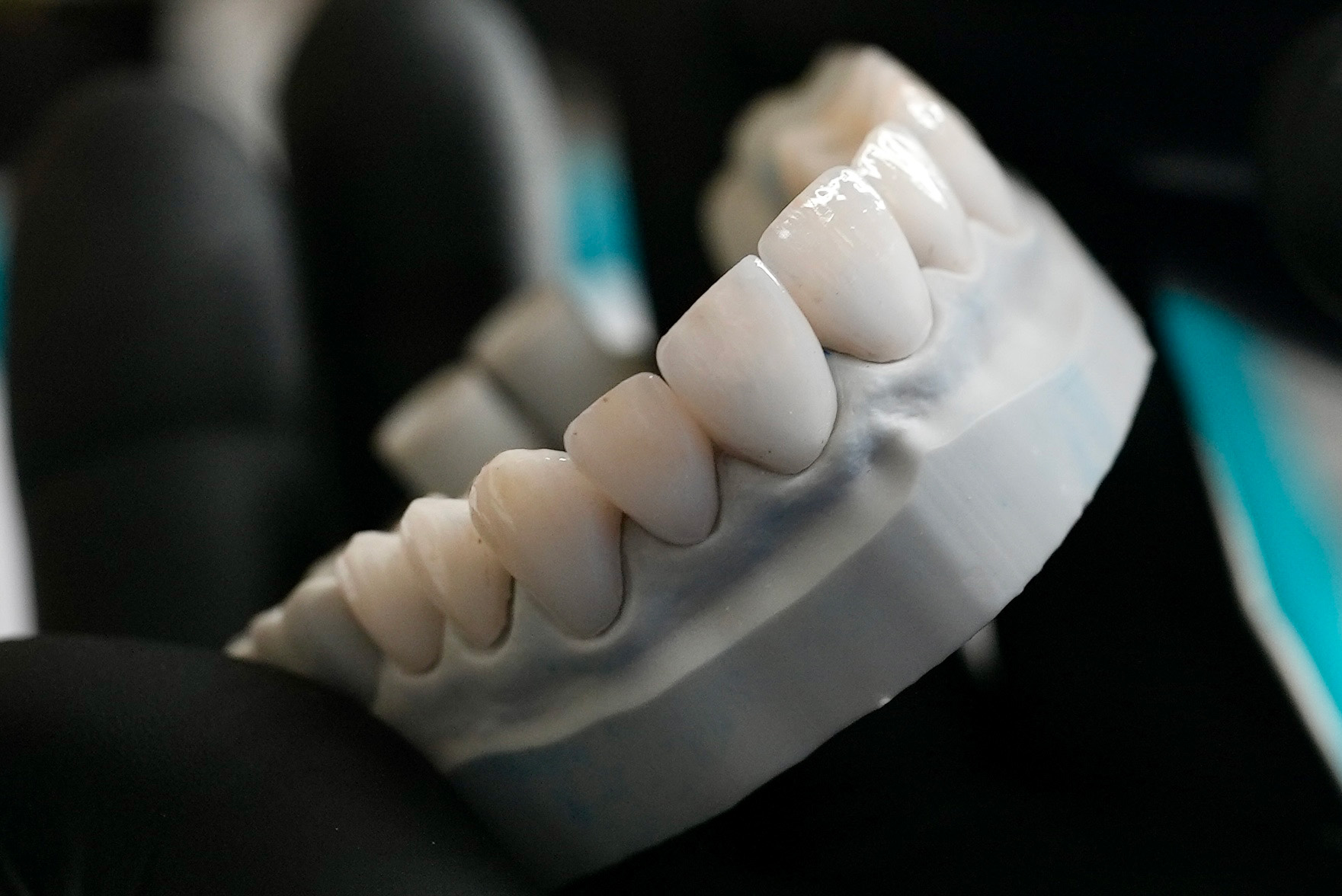
At Smile Studio of Spring Lake, we understand this isn't just about teeth; it's about the confidence that comes from loving your smile. The distinction between porcelain and composite veneers comes down to craftsmanship approach and long-term expectations. Porcelain veneers are ultra-thin ceramic shells—custom-crafted in a dental laboratory and permanently bonded to your smile. Composite veneers use tooth-colored resin material that Dr. Robert Scheddin sculpts directly onto your teeth during a single appointment.
Porcelain offers superior durability and stain resistance through meticulous laboratory craftsmanship. Composite provides immediate results with easier repairability when life happens. Both transform smiles, but through different paths of artistry and engineering.
Quick Overview
- Material difference: Porcelain veneers are lab-crafted ceramic shells; composite veneers use tooth-colored resin we apply chairside
- Durability gap: Porcelain typically lasts 10-15 years, composite veneers usually need replacement in 5-7 years
- Investment consideration: Composite veneers cost about $1500 per tooth; porcelain costs about $2,500 per tooth
- Time factor: Composite veneers can be completed in one visit; porcelain usually requires two appointments
- Repair reality: Composite veneers can be fixed in-office if they chip; porcelain veneers typically need complete replacement
What Are Dental Veneers Made Of: Materials Explained
Porcelain veneers are made from high-quality dental ceramic - think of it like very strong, tooth-colored pottery. These ultra-thin shells measure just 0.5 to 0.7 millimeters thick; that's about half the thickness of a contact lens.
We create them in dental laboratories using precise impressions of your teeth. This meticulous process involves multiple stages of design, layering, and high-temperature firing to achieve optimal strength and natural appearance.
Composite veneers use the same tooth-colored resin material we use in dental bonding procedures. This biocompatible plastic contains tiny glass or ceramic particles (typically 70-80% by weight) that provide strength and natural appearance. Modern composite resins like nanohybrid composites offer improved wear resistance and polish retention compared to older materials.
The manufacturing process differs dramatically: porcelain involves high-temperature firing and specialized glazing in a laboratory setting, while composite resin cures under blue LED light at room temperature right in our Spring Lake office. This fundamental difference affects durability, appearance, and repairability.
Porcelain vs Composite Veneers: Complete Analysis
Understanding the trade-offs helps you make the right choice for your smile goals and lifestyle. Each material represents a different philosophy of dental craftsmanship.
Porcelain Veneer Advantages:
- Superior stain resistance: Virtually stain-proof surface that won't absorb coffee, wine, or tobacco
- Longer lifespan: 10-15+ years with proper care versus 5-7 for composite
- Most natural light reflection: Mimics tooth enamel's translucency better than any other material
- Stronger bite resistance: Handles normal chewing forces on front teeth without chipping
- Color stability: Maintains original shade and shine throughout its lifespan
Porcelain Veneer Disadvantages:
- Higher upfront investment: $2,500 per tooth depending on location and complexity
- Multiple appointments required: Two visits with temporary veneers between sessions
- Cannot be repaired: Damage typically requires complete replacement
- Requires tooth preparation: Minimal but irreversible enamel removal
- More technique-sensitive: Requires precise placement for optimal results
Composite Veneer Advantages:
- Lower initial investment: $1500 per tooth makes smile makeovers more accessible
- Same-day completion: Walk in with concerns, leave with a new smile
- Easily repairable: Chips or damage can be fixed without full replacement
- Minimal tooth preparation: Often requires little to no enamel removal
- Adjustable after placement: Can be modified or refined at future visits
Composite Veneer Disadvantages:
- More prone to staining: Coffee, wine, and tea can discolor the material over time
- Shorter lifespan: Typically need replacement every 5-7 years
- May appear less natural: Doesn't reflect light quite like natural enamel
- Requires more maintenance: Needs regular polishing to maintain appearance
- Less durable for patients with aggressive chewing habits: May chip or wear faster with heavy bite forces
Investment Comparison: Understanding True Value
The upfront difference is significant, but calculating true value requires considering longevity and maintenance over time. Think of this as investing in quality craftsmanship that serves you daily for years.
For a complete smile makeover involving 6-8 front teeth, expect these ranges:
- Composite veneers: $9000-$1200 initially, with potential replacement every 5-7 years
- Porcelain veneers: $15,000-$20,000 initially, lasting 10-15+ years
Geographic location significantly impacts pricing. Urban areas like New York City typically charge 20-40% more than New Jersey locations. The investment in your smile affects your confidence daily—consider both immediate budget constraints and long-term value when making your decision.
How Long Do Porcelain and Composite Veneers Last?
Porcelain consistently outlasts composite alternatives in clinical studies. Research shows porcelain veneers achieve 95% survival rates at 10 years, while composite veneers show 85% survival at 5 years.
Several factors affect lifespan for both materials, giving you control over your investment's longevity:
- Bite force: Patients who grind or clench their teeth reduce lifespan for both materials
- Oral hygiene: Poor care leads to gum recession and veneer failure
- Diet habits: Hard foods like ice, nuts, or hard candy can chip both materials
- Lifestyle habits: Nail biting, pen chewing, or using teeth as tools damage veneers
- Professional maintenance: Regular cleanings and checkups extend functional life
Composite veneers typically need attention sooner due to wear, staining, or minor chipping. However, their repairability means small issues can be fixed without full replacement, potentially extending their functional life beyond the typical 5-7 year range.
Can Composite Veneers Be Repaired When Damaged?
Composite veneers offer a significant advantage when damage occurs. Small chips can be polished smooth in minutes during a routine visit; larger breaks can be rebuilt using matching composite material. We roughen the damaged area, apply bonding agent, add new composite, and polish everything to match the existing veneer seamlessly.
This repairability provides peace of mind for active lifestyles and unexpected accidents. Common repairable composite veneer issues include:
- Small edge chips: From accidentally biting hard foods or ice
- Surface scratches: From aggressive brushing or abrasive toothpaste
- Minor fractures: From sports injuries or unexpected trauma
- Wear spots: From nighttime grinding or clenching
- Surface staining: That can often be polished away
Porcelain veneers rarely can be repaired once damaged. The ceramic material doesn't bond reliably to itself after fracture. Small chips might be smoothed and polished, but significant damage requires complete veneer replacement. This limitation is offset by porcelain's superior strength and much lower likelihood of damage in the first place.
Dental Bonding vs Composite Veneers: Which Is Better?
Both use identical materials but differ in application technique and coverage area. Understanding this distinction helps you choose the right approach for your specific concerns.
Bonding typically addresses single tooth defects—chips, gaps, or discoloration—with minimal material addition. Composite veneers cover the entire front surface of multiple teeth for comprehensive smile transformation.
Key distinctions include:
- Coverage area: Bonding patches specific problem spots; veneers cover entire tooth fronts
- Durability expectation: Veneers last longer due to better coverage and protection
- Aesthetic impact: Veneers provide more dramatic smile changes and uniformity
- Investment level: Bonding costs less per tooth ($150-$400 vs $250-$1,200)
- Time commitment: Both can be completed in a single appointment
Choose bonding for minor corrections on 1-2 teeth where the goal is invisible repair. Select composite veneers for comprehensive smile makeovers involving multiple teeth or when you want significant shape, size, or color changes.
Do Composite Veneers Look as Natural as Porcelain?
Modern composite materials have dramatically improved in recent years, achieving remarkably natural results in skilled hands. However, porcelain still holds advantages in light reflection and translucency that closely mimic natural tooth enamel.
The naturalness of both materials depends heavily on the dentist's artistic skill and attention to detail. Factors affecting natural appearance include:
- Light transmission: Porcelain allows light to pass through more naturally
- Surface texture: Both can be polished to match natural tooth texture
- Color matching: Composite allows real-time color adjustment during placement
- Thickness control: Porcelain's thinness creates more natural contours
- Aging characteristics: Porcelain maintains its appearance longer
For front teeth where aesthetics are paramount, porcelain typically provides the most natural long-term results. For less visible teeth or budget-conscious patients, well-crafted composite veneers can achieve excellent natural appearance.
Can You Whiten Composite Veneers Like Natural Teeth?
Composite veneers cannot be whitened with traditional bleaching treatments. The resin material doesn't respond to hydrogen peroxide or carbamide peroxide like natural tooth enamel does. This means planning your desired shade carefully before placement.
If you want whiter teeth after composite veneer placement, your options include:
- Professional polishing: Can remove surface stains and restore original brightness
- Veneer replacement: Creating new veneers in a lighter shade
- Whitening natural teeth first: Bleach remaining teeth before veneer placement
- Combination approach: Whiten natural teeth and match veneers to desired shade
Porcelain veneers also cannot be whitened, but their superior stain resistance means they maintain their original color much longer than composite alternatives. This color stability provides confidence that your investment will look consistent over time.
Making Your Decision: Choosing What's Right for You
Your ideal veneer choice depends on budget, timeline, aesthetic goals, and lifestyle factors. This decision deserves thoughtful consideration rather than rushing into treatment.
Choose porcelain veneers if you:
- Prioritize longevity: Want the longest-lasting, most natural results available
- Can invest upfront: Comfortable with higher initial cost for long-term value
- Accept multiple visits: Don't mind temporary veneers and two-appointment process
- Consume staining substances: Regularly drink coffee, wine, or use tobacco
- Want superior aesthetics: Prioritize the most natural appearance for front teeth
Choose composite veneers if you:
- Need immediate results: Want to complete treatment in one appointment
- Have budget constraints: Prefer lower initial investment with future replacement planning
- Value repairability: Want easily fixable restorations when damage occurs
- Prefer reversibility: Like the option of minimal tooth alteration
- Accept more maintenance: Don't mind more frequent touch-ups and care
Many patients benefit from combination approaches—porcelain for highly visible front teeth and composite for less prominent areas. This strategy optimizes aesthetics where it matters most while managing overall treatment investment.
Your Smile Transformation Starts Here
Your smile transformation represents a significant investment in your confidence and quality of life. Whether you choose immediate composite results or long-term porcelain beauty, both options can dramatically improve your smile's appearance. Dr. Scheddin will examine your specific teeth, discuss your goals and lifestyle, and develop a personalized treatment plan that aligns with your priorities, timeline, and budget.
The right choice is the one that fits your unique situation and helps you smile with confidence for years to come. At Smile Studio of Spring Lake, we believe in taking the time to understand your vision and crafting a solution that exceeds your expectations. Contact us today to schedule your consultation and discover which veneer option will best transform your smile.
Smile Studio of Spring LakeYour Invitation
We’d love to help you achieve a smile you’ll be proud to share. Call us at 732-974-2288 or request your appointment online, and experience care that feels as good as your results.
